 Migraine Journal
What to Put in a Migraine Kit (and Where to Keep It)
A migraine kit only works if it's within reach when the attack starts. What to put in one for someone else, where to keep it, and what never gets used.
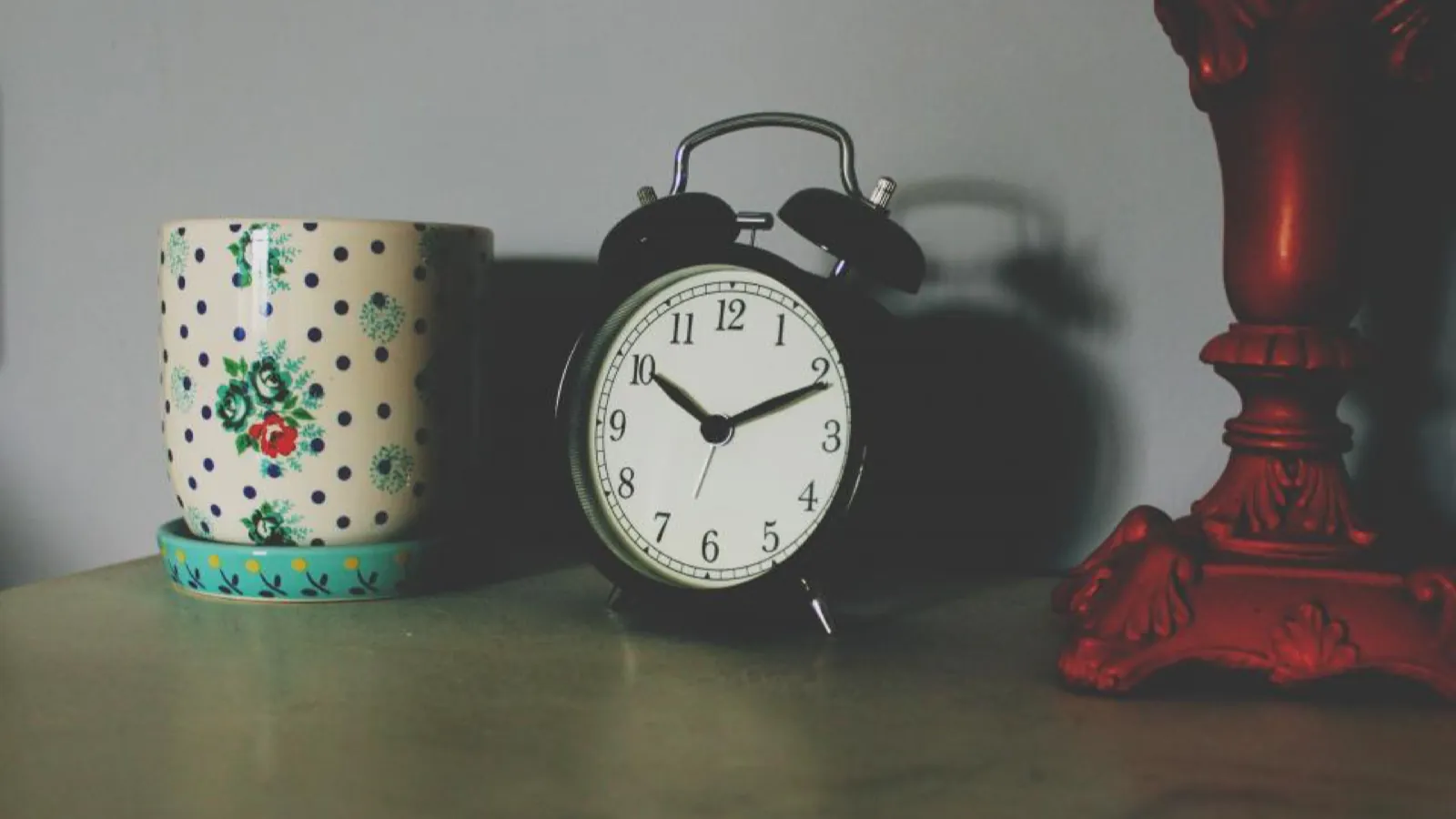
You bought a nice zip pouch, filled it thoughtfully, and put it somewhere sensible. During the last attack it was in the hall cupboard, and nobody could find it in the dark.
That’s the normal outcome, and it isn’t a packing problem. It’s a location problem.
One kit in a cupboard is not a kit
The constraint that decides everything: at the point a kit is needed, the person cannot walk across a room to get it, and often can’t tolerate the light they’d have to switch on to look. Anything more than an arm’s reach away is theoretical.
So stop building one good kit. Build three cheap ones and accept the duplication. Foam earplugs cost pence. A second eye mask costs less than the attack it shortens. The version of this that works is a bedside handful, a bag handful, and a drawer at work, each of them boring and each of them already there.
The bedside one
This is the one that matters most, because most attacks either start or end up here.
- Their own medication, within reach without standing up. Whatever their GP or neurologist has prescribed, in whatever form they can manage when swallowing is difficult. That’s a conversation between them and their clinician rather than a shopping decision, and it’s worth having before the next attack rather than during it.
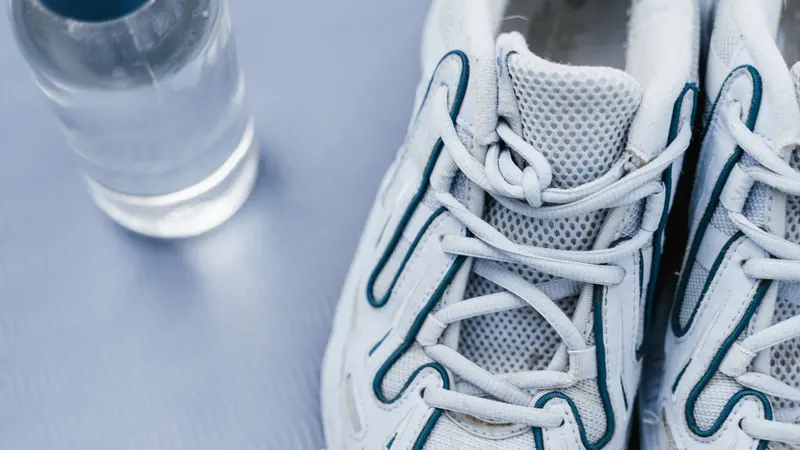
- Water that’s already there, with a lid. An open glass on a bedside table gets knocked over in the dark about a third of the time. A lidded bottle solves a small, real problem.
- An eye mask that actually blocks light at the nose. Cheap flat ones leak exactly where it matters. Contoured ones cost a few pounds more and are the single best-value item on this list.
- Foam earplugs, and a spare pair. They get lost, dropped behind the bed, and thrown out with tissues.
- A bowl or a bucket. Nobody puts this in a gift guide. Migraine attacks involve vomiting often enough that having one within reach saves a walk to the bathroom that some people genuinely can’t make.
- A phone cable long enough to reach the bed. Trivial, and it removes a reason to get up. If they use a phone alarm or need to message you, a dying battery becomes a problem at 4am.
- Unscented wipes and a hair tie. Both do more than they look like they do.
Keep it in a shallow open box or a drawer that doesn’t need two hands. A zipped pouch inside a bag inside a cupboard fails at every layer.
The bag one
Smaller, and built for the attack that starts somewhere inconvenient.
Their medication in the form that doesn’t need water. Sunglasses that wrap at the sides rather than fashionable ones that let light in at the temple, plus a cap with a brim, which does more for glare than most sunglasses. A small bottle of water. Something plain to eat, because an empty stomach is a bad place to take anything. Earplugs. And a folded card with their plan on it, which is the item people forget and the one that other people can actually use.
That last one is worth doing properly. A one-page action plan card filled in on a good day tells a colleague, a friend, or a taxi driver what this person needs and who to call, at the point when explaining it is beyond them.
The desk one
A duplicate of the bag kit, minus the water, in the drawer they can reach without standing up. An eye mask and earplugs live here permanently. If their workplace allows medication to be kept at a desk, a second supply here removes the specific failure where the attack starts at work and the tablets are at home.
The other desk item isn’t in a drawer. It’s a desk lamp and permission to switch the overhead strip light off, which sits alongside the adjustments worth asking an employer for and costs the company nothing.
What gets bought and never used
Scented anything. Lavender eye pillows, essential oil rollers, aromatherapy sprays. Smell is a common trigger during an attack, and a gift that smells lovely to you can be genuinely unusable to them.
Branded cooling caps that need a freezer. Fine at home, useless in an office, and they tend to arrive needing eight hours in a freezer that nobody at work will give up.
Anything that needs charging, assembling, or reading instructions. If it requires a decision, it won’t get used at severity eight.
Supplements and remedies you found well reviewed. Not because they’re all useless, but because starting anything new is a conversation with their GP, and arriving with a bottle puts them in the position of either taking it or hurting your feelings. The NHS guidance on when to see a GP about migraine is a better thing to hand over than a supplement.
Restock it based on what actually got used
After a few attacks, the kit tells you something. The eye mask is worn out and the cooling gel pack hasn’t moved. That’s information, and it should change what’s in the box.
The same applies to the attacks themselves. If you’re the person who notices the pattern first, the useful contribution isn’t buying more things, it’s making sure the record exists — how often, how long, what it stopped. Migraine Journal logs that in about a minute per attack, and there’s a paper version if they’d rather not use a phone. Either way it’s the thing that eventually gets a doctor’s attention, and a bucket by the bed is what gets them through Tuesday.
One thing no kit covers: occasionally an attack isn’t the usual attack. When a migraine is an emergency is the short version of what changes that judgement, and it’s worth reading once on a quiet day rather than looking it up at three in the morning.
If you want the wider version of this, what to change around the house covers the lighting, noise, and cooking-smell decisions that mean fewer attacks needing a kit at all — and the rest of the caregiving guides are collected in one place.
Quick answers
What should go in a migraine kit?
By the bed: their medication within reach without standing up, a lidded water bottle, a contoured eye mask that blocks light at the nose, foam earplugs and a spare pair, a bowl, a long phone cable, unscented wipes and a hair tie.
Where should a migraine kit be kept?
Within arm's reach, in three cheap duplicates rather than one good one — bedside, bag, and a work drawer. At the point a kit is needed the person often can't cross a room or tolerate the light they'd need to switch on to look for it.
What gets bought for a migraine kit and never used?
Scented anything, because smell is a common trigger mid-attack. Freezer-dependent cooling caps, which are useless at an office. And anything needing charging, assembling or instructions — if it requires a decision it won't get used at severity eight.
What is the item people forget?
A folded card with their plan on it. Filled in on a good day, it tells a colleague, a friend or a taxi driver what this person needs and who to call, at the point when explaining it is beyond them.
Something you can hand them
The hardest part of helping is that the pattern lives in someone else’s head, and they are rarely in a state to write it down. A printed diary is the version that survives a bad week: one page, on the fridge, filled in by whoever is upright.
If they use an iPhone and would rather not deal with paper, Migraine Journal does the same job in under a minute.
This article is general information, not medical advice. Talk to your GP or neurologist about your own symptoms, medication, and treatment.